The Goal: Create a Win-Win
Newsletter #122
This Week:
How to Be A Good Partner When You Have to Say No
ICYMI: Meet Emily
Spotted
Before We Go…
1.The Power of “No, But…” in Communications Teams
Your EO Report writers once worked at the University of Nebraska at Omaha on a small communications team with a fraction of the staff and budget of most Division I university marketing departments.
Even with limited resources, we worked hard to make collaborating with our team feel easy. Because when working with communications is easy, people are more likely to:
Follow brand standards
Keep your team informed
Ask questions before pushing out materials
Avoid sending out misaligned (or frankly, just plain weird) content
But how do you maintain that kind of partnership mindset when your team is stretched thin?
One simple philosophy helped us navigate it:
“No, but…”
Those two words, paired with clear processes and thoughtful alternatives, create flexibility. They allow communications teams to protect priorities and brand standards while still being helpful and collaborative.
Here’s what a “No, but…” philosophy can look like in practice.
2. ICYMI: Meet the Messenger: Emily Poeschl, Brand Communications Manager at Mutual of Omaha
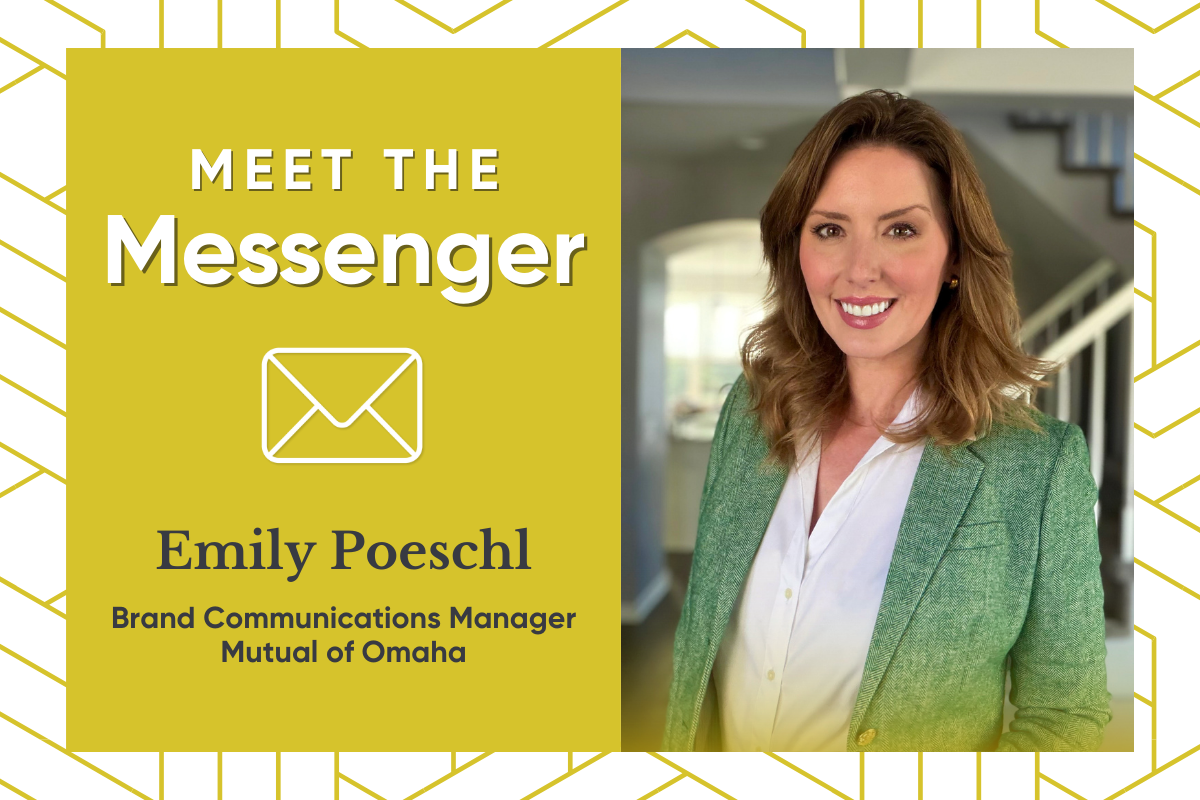
This week’s lead story was an idea brought to us by friend of The EO Report, Emily Poeschl. Emily was our first featured messenger in our Meet the Messenger series.
Emily is the brand communications manager at Mutual of Omaha. A strategist at heart with nearly two decades of marketing, branding, communications, events, and government relations experience, including work with a Fortune 500 company and an Emmy®-nominated series, Emily brings both vision and precision to everything she touches. Her leadership extends well beyond her day job, with service on nonprofit boards, national policy and research advocacy efforts, and recognition ranging from a Nebraska Navy Admiralship to honors from the American Marketing Association, Public Relations Society of America, and the Omaha Jaycees.
3. Spotted
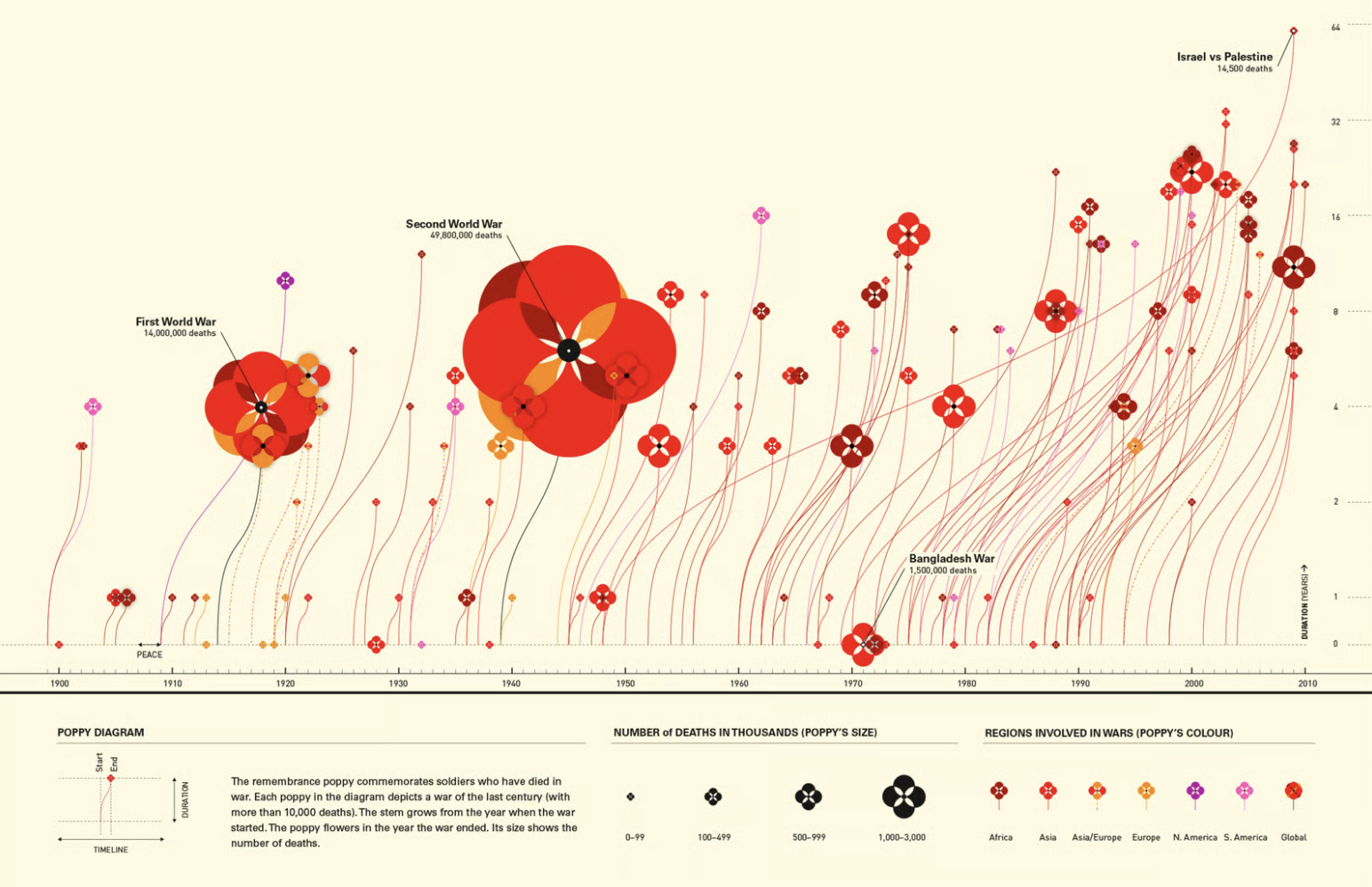
A well-designed infographic can be one of the most powerful assets in your communications arsenal. Canva pulled together a list of 40 different examples to help spur your creativity.
4. Before We Go…
From The New York Times: A Mistaken Guy: The 20-year legacy of a live TV blunder
“Guy Goma realized that he was in the wrong interview when it became clear that he was about to be on live television. Mr. Goma, who was at BBC headquarters in London to apply for an I.T. position, had just been ushered into a room and told to sit at a table. A news anchor he recognized came in and sat across from him. Several screens in the room flickered to life — with Mr. Goma’s face on them — when he suddenly thought: ‘Oh, dear. I’m in the wrong place.’”
“The World Press Freedom Index, compiled by Reporters Without Borders (RSF), for the first time placed more than half of all countries in the “difficult” or “very serious” categories for press freedom. It found that while in 2002 a fifth of the global population lived in a country where press freedom was categorized as ‘good’, that had now fallen to less than 1% of the world’s population.”
A new in-depth study surveyed both adults and teens as young as 13 to better understand how news engagement differs across generations. Conducted by the Media Insight Project, a collaboration among multiple journalism and research institutions, the nationally representative study included 1,092 adults ages 18 and older and 1,009 teens. It found that media diets between generations differ sharply.
This isn’t a “no, but…” situation. Forward The EO Report to your network.