The Role of Communications in Election Safety
Newsletter #133
This Week
How the Election Process Works
ICYMI: A Throwback Interview
Spotted
Before We Go…
1. Election Safety From a Communications Pro Who Knows

Most Americans never see the work that happens behind an election. We cast our ballots, watch returns on election night, and move on. But when questions arise about election administration or election security, many of us are left trying to sort through competing claims without first understanding how the system actually works and how it is secured.
That's why we had this conversation with strategic communications pro Teresa Paulsen who works in the election systems field to ensure Americans have clear and accurate information.
Rather than debating politics or election outcomes, we asked her to explain the process itself: who runs elections, how ballots are secured and counted, and how there is always a paper trail to ensure accuracy.
Our hope is that readers come away with a deeper understanding of the system and a plan to explore resources and learn the facts.
2. ICYMI: A Throwback Interview
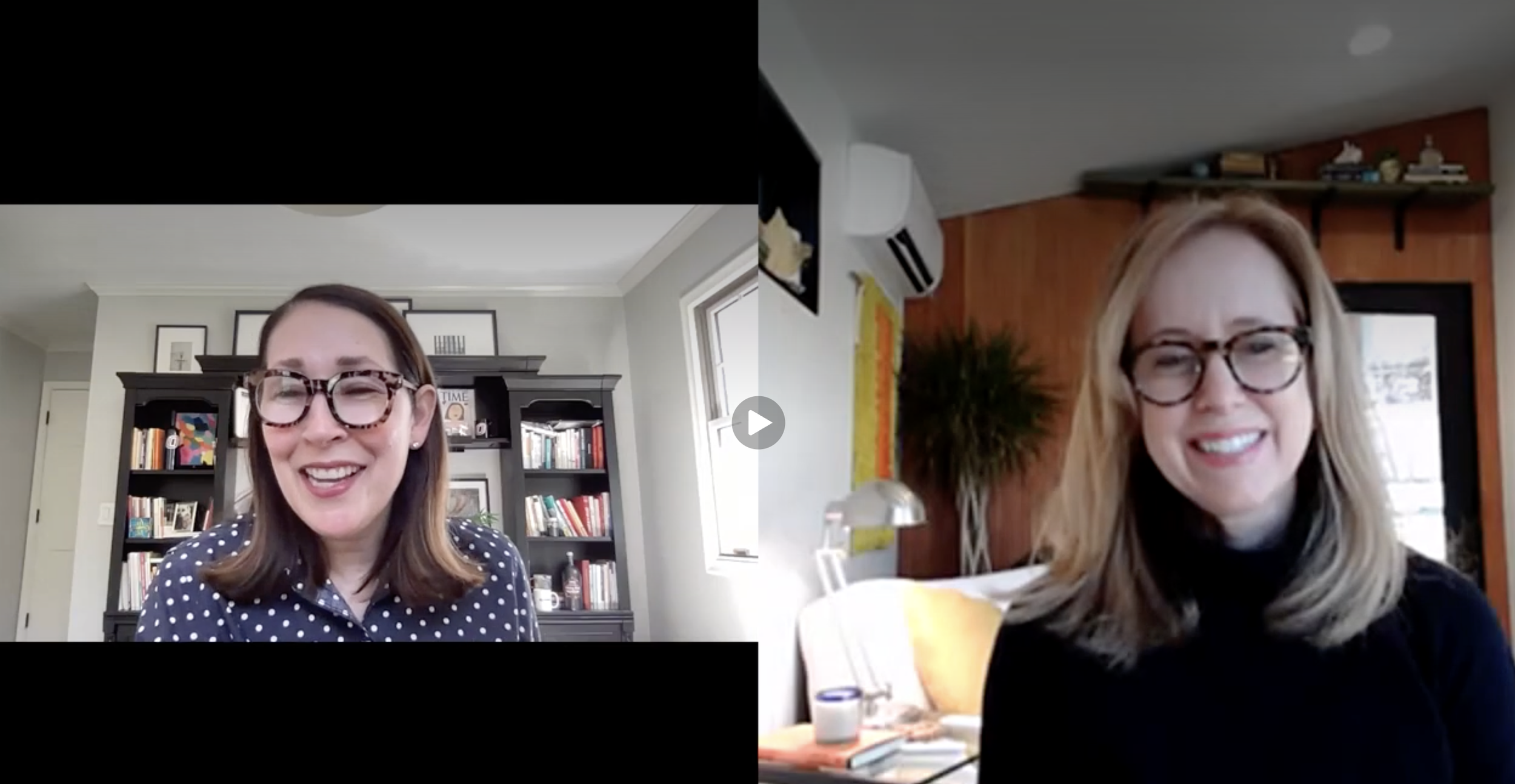
Teresa is no stranger to The EO Report! In fact, she was our first guest!
In February 2024, WK Kellogg Co. CEO Gary Pilnick suggested customers eat cereal for dinner as a solution for families feeling throttled by food inflation. During a period of sustained grocery inflation, the comment didn’t land — especially as the messenger was an executive who certainly was not experiencing the same financial struggles many Americans faced.
Pilnick’s comments led to widespread calls for a boycott of Kellogg’s products. We talked to Teresa about how (and if) the brand would be damaged by the incident.
3. Spotted
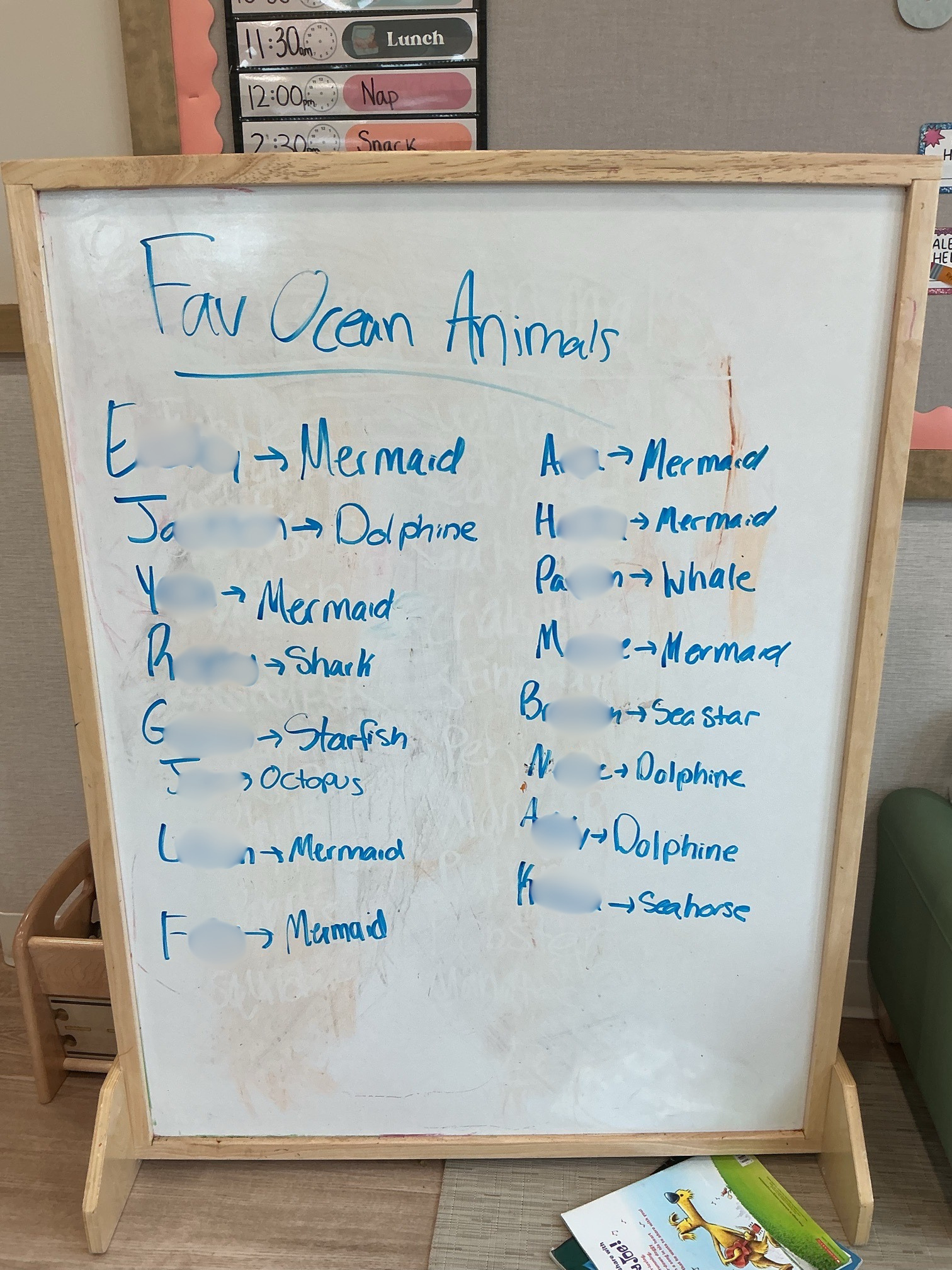
As communicators, it's easy to get swept up in the urgency and weight of our work. We spend so much time chasing deadlines and navigating complex messaging that we forget to leave room for a little whimsy. Thankfully, two-year-olds are here to remind us. Case in point: one preschool class where nearly half the students named mermaids as their favorite ocean animals. In a profession that often feels relentlessly serious, perhaps the occasional mermaid is exactly what we need.
4. Before We Go…
From The New York Times: It’s so hot, Japan needs a new word for it.
Sometimes, existing language fails to fully describe the present reality. Japanese meteorologists felt this profoundly when nothing quite described the 104-degree days they were facing (we here in Nebraska can relate). So, they launched a public poll to find a new term. The winner was “kokushobi,” a word meaning “cruel heat day.”
From National Public Radio: Justice Dept. drops 'New York Times' subpoenas under pressure from judge.
“The Justice Department is dropping the subpoenas it filed demanding grand jury testimony and phone records from New York Times journalists after sharp questioning Thursday from a federal judge who challenged almost every facet of the government's approach.”
California, Colorado, Kentucky, and New Jersey are suing Meta for $1.4 trillion, stating the company designed social media platforms Facebook and Instagram to be addictive to children while withholding information about the harms the apps pose to children.
From The New York Times: The fake wellness influencers selling on your feed.
“The New York Times found hundreds of A.I.-generated doctors, healers and wellness influencers on social media touting the health benefits of supplements to American consumers. Many of these hyperrealistic looking ads promise medical miracles, and appear to be targeting older women, while making misleading health claims for a profit.”