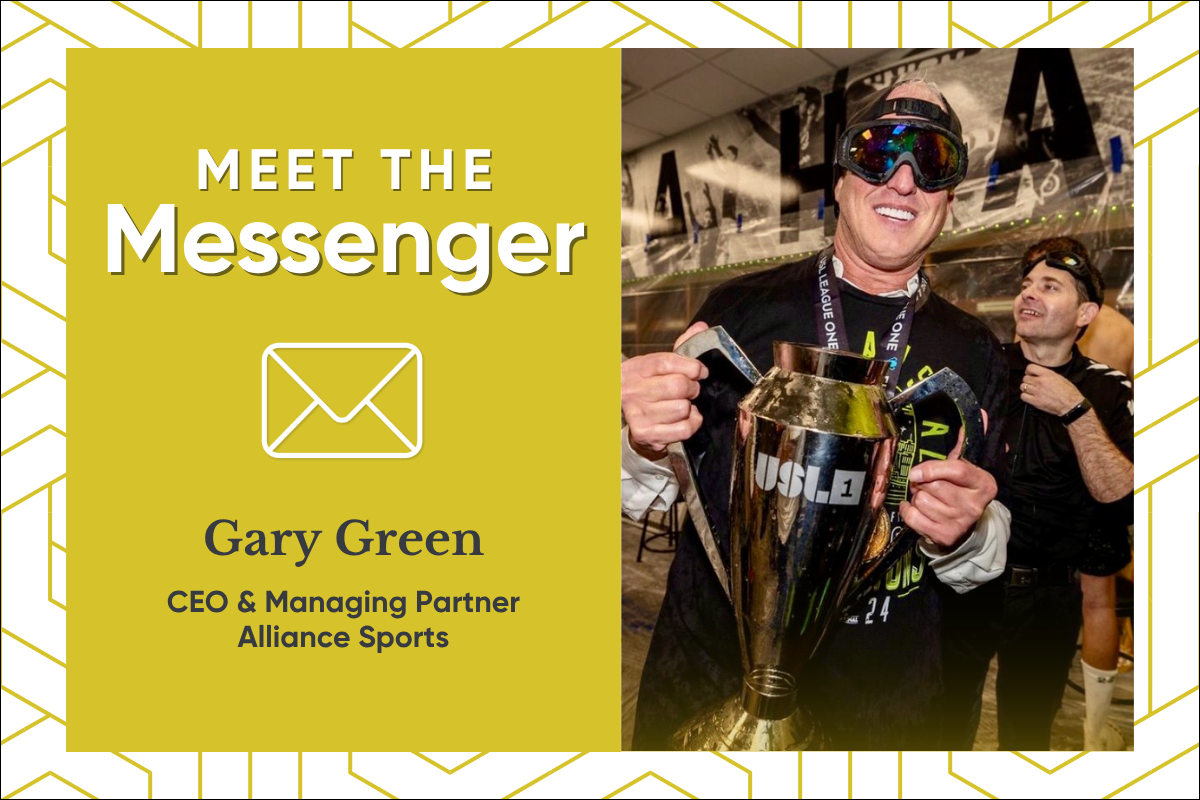
Meet the Messenger spotlights leaders across industries who understand that strategic communication is central to individual and organizational success. Each conversation shares hard-earned lessons, candid reflections, and insights on how thoughtful, strategic communication drives impact.
Gary Green is an entrepreneur, investor, and sports owner. He is the managing partner of Union Omaha, the owner of the Richmond Flying Squirrels and Baseball America, and the former owner of the Omaha Storm Chasers. He grew Alliance Building Services to 5,000 employees before selling the company to its employees through an employee stock ownership plan in 2022.
What’s one pivotal moment that most shaped the communicator you are today?
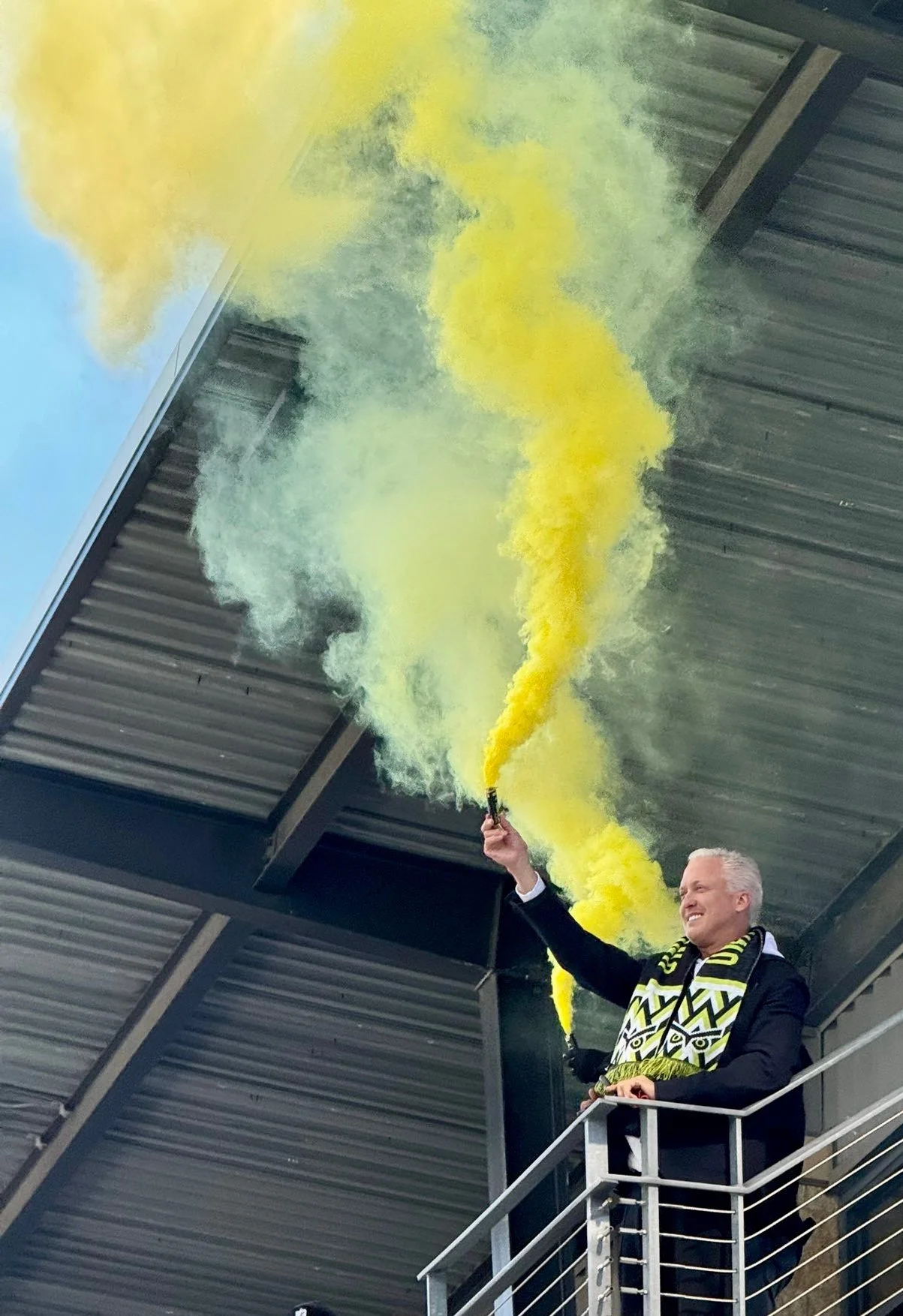
Owning professional sports teams changed how I think about communication. Sports has a language all its own. You don’t have to come from the same place or speak the same language to understand the excitement of a winning goal, the disappointment of a tough loss, or the pride of supporting your hometown team.
My experience with Union Omaha and the Richmond Flying Squirrels, along with my former ownership interests in the Omaha Storm Chasers and Montgomery Biscuits, has taught me that we’re building more than sports franchises. We’re building relationships with communities. Fans invest their time, money, and emotions in our teams. That gives us a responsibility to listen, communicate honestly, and earn their trust through difficult moments, as well as victories.
That experience has shaped how I communicate in every business I’m involved in. People want to know you understand what matters to them. When they feel heard and connected to something they care about, the relationship becomes much stronger.
Describe one project or situation where you were absolutely at your best. What made it work so well?
When I met with Mr. Buffett about our group buying the Omaha Storm Chasers, I prepared for a conversation about numbers and negotiation. I remember sitting in coach on a United flight, with my laptop practically in my lap, reviewing the financials. I didn’t know what to expect, but I wanted to know the business inside and out.
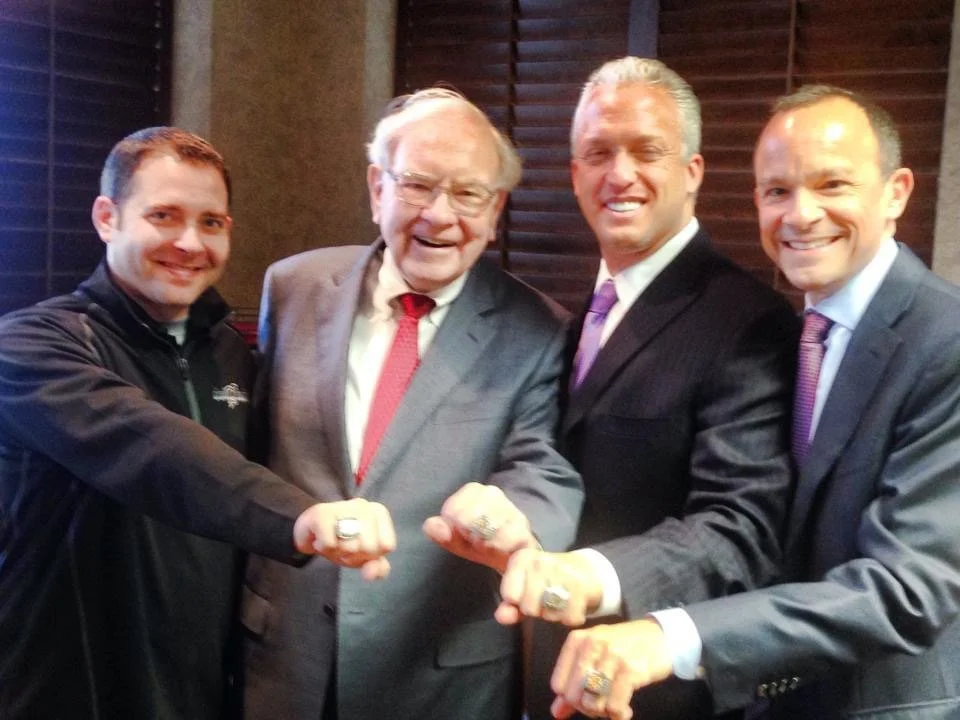
I arrived at his office early, and he brought me in almost immediately. I barely had time to get my game face on. Then I sat down on his couch, and it felt like talking to a friend. We talked about baseball, our fathers, and our memories of going to games.
The conversation lasted about an hour and a half. I certainly wasn’t going to be the one to end it. By the end, Mr. Buffett had agreed to sell our group the team.
Preparation gave me confidence, but listening made the meeting work. Mr. Buffett wanted to understand who I was and why baseball mattered to me. I had to recognize that, follow his lead, and let the conversation happen. It taught me that understanding the person across from you can be as important as understanding the deal.
What’s a mistake you made that turned into one of your best professional assets?
Earlier in my career, I thought being a leader meant having the answer. If someone brought me a problem, my instinct was to solve it. Over time, I realized that approach could make people more dependent on me instead of more confident in their own judgment.
Now I try to work through the problem with them. I want them to understand how we reached the answer and feel equipped to handle the next situation themselves.
Learning to step back has made me a better mentor and a better leader. My job is to help people develop the judgment to make good decisions, then give them room to use it.
If you could change one thing about the communications field in the next ten years, what would it be and why?
I’d like to see better ways for people to know what’s authentic. AI is advancing so quickly that it can be difficult to tell whether a video or image on social media is real.
AI can be an extraordinary tool for creating and sharing content. But as that content becomes more convincing, people also need clear ways to understand where it came from and whether it has been altered.

Trust is central to communication. The ability to verify what we see and hear will become even more important as the technology improves.
Tell us what you’re working on or anything else you’d like us to share.
Alongside my work in professional sports, I’m involved in CounterSpike, a business focused on addressing drink spiking. Its SpikeStixx drink-testing strips are designed to indicate the possible presence of certain substances, and its personal safety app includes emergency calling and trusted-contact features.
I believe in conscious capitalism: building successful businesses that also do something useful for people. CounterSpike puts that belief into practice by combining products with education and awareness around a serious safety issue.
No test can detect every substance or guarantee that a drink is safe. Our aim is to give people additional tools to recognize potential risks and seek help. I’m proud to be part of that effort, and I want to help bring those tools to more people.