Meet the Messenger: Robert Fogarty, Founder of Dear World
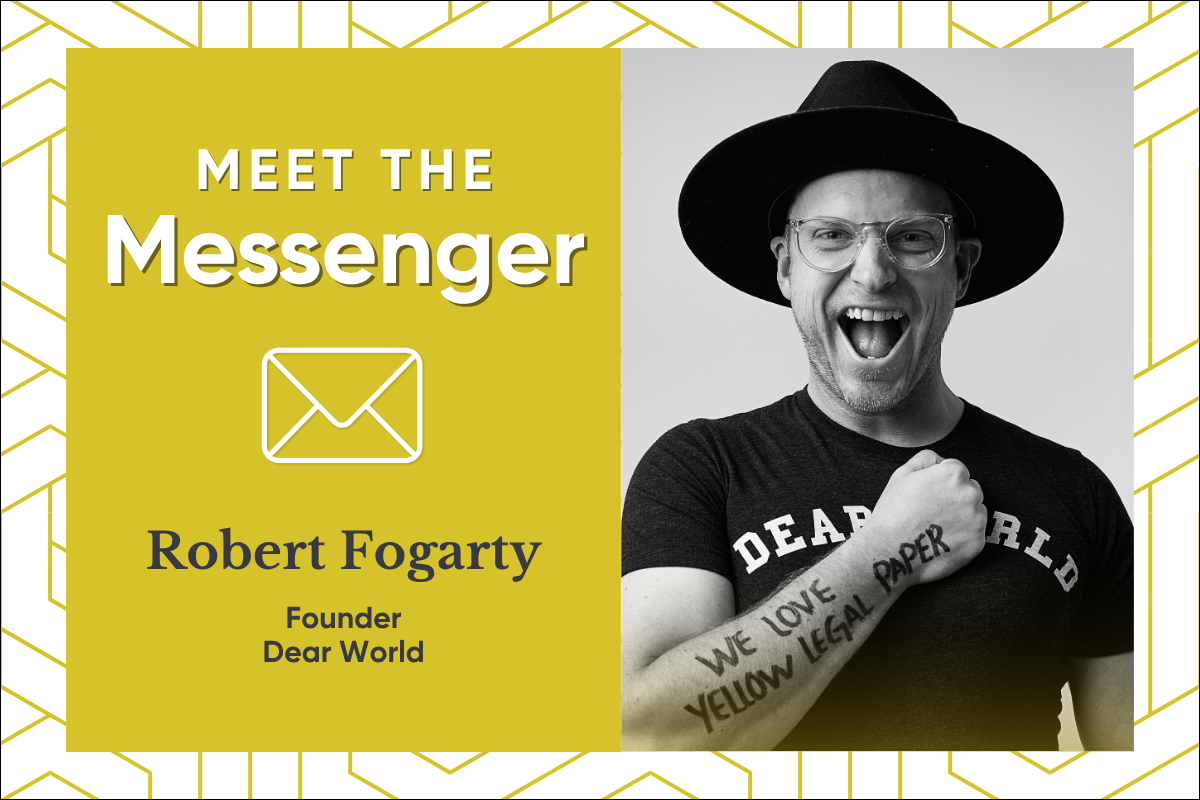
Meet the Messenger spotlights leaders across industries who understand that strategic communication is central to individual and organizational success. Each conversation shares hard-earned lessons, candid reflections, and insights on how thoughtful, strategic communication drives impact.
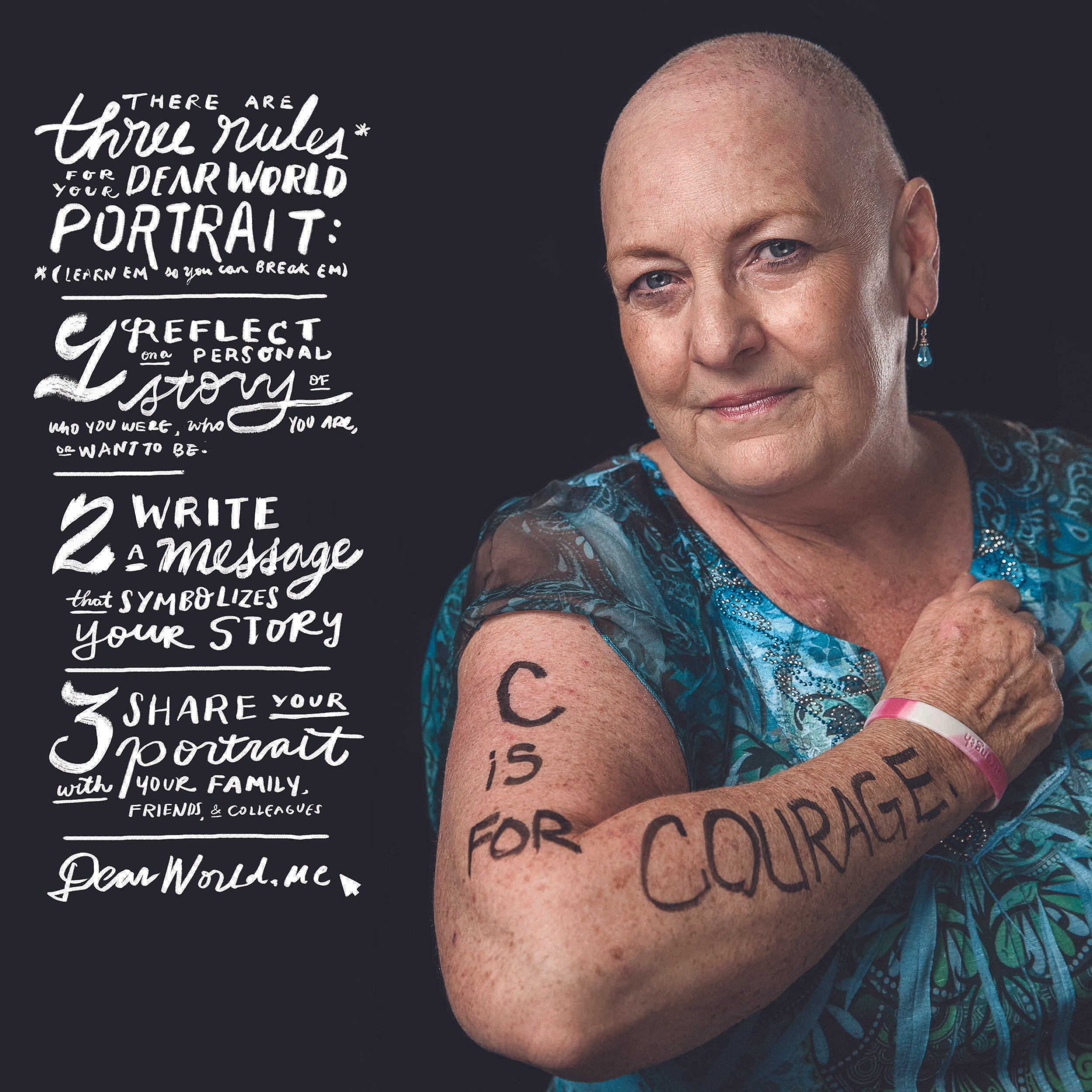
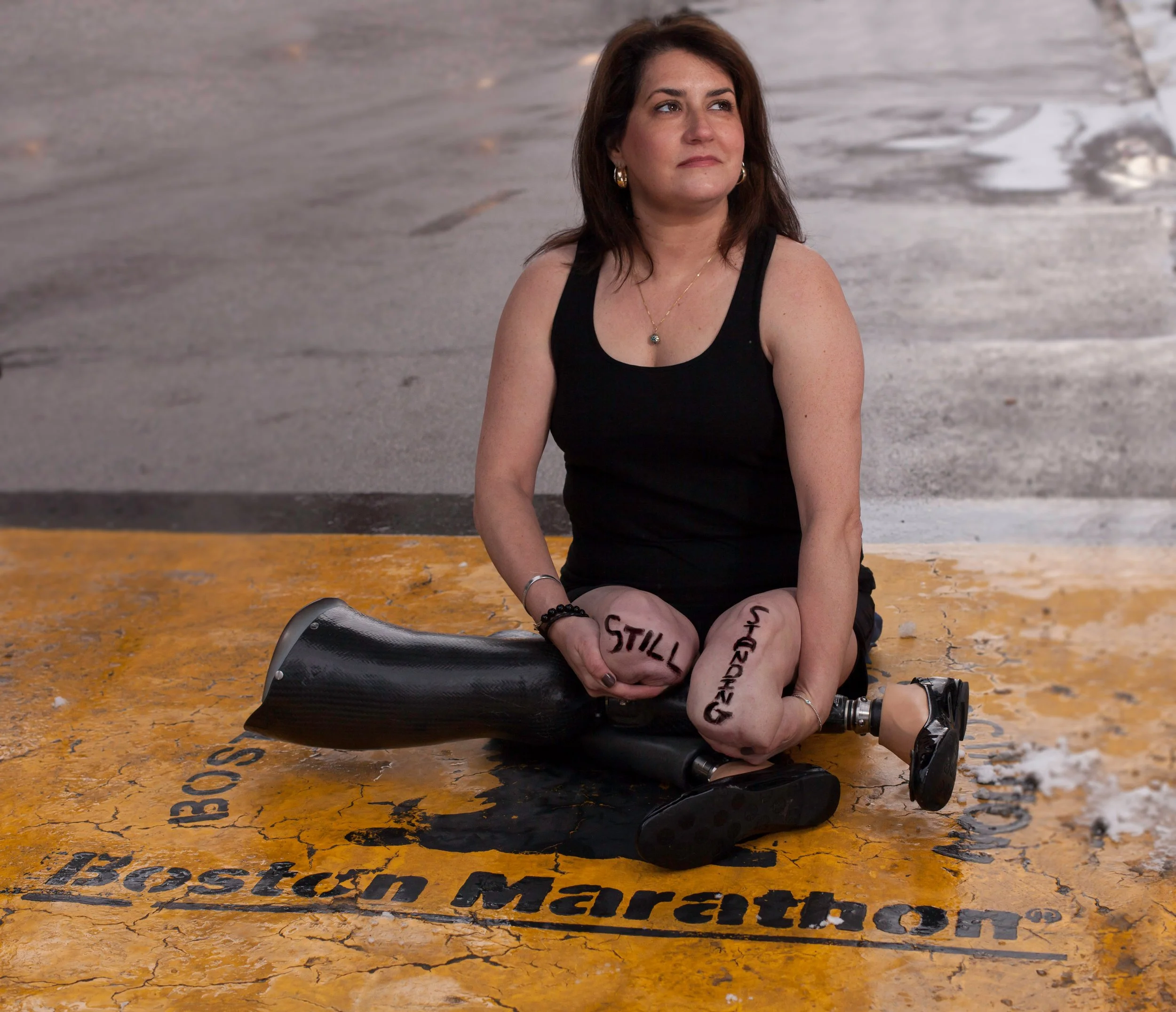
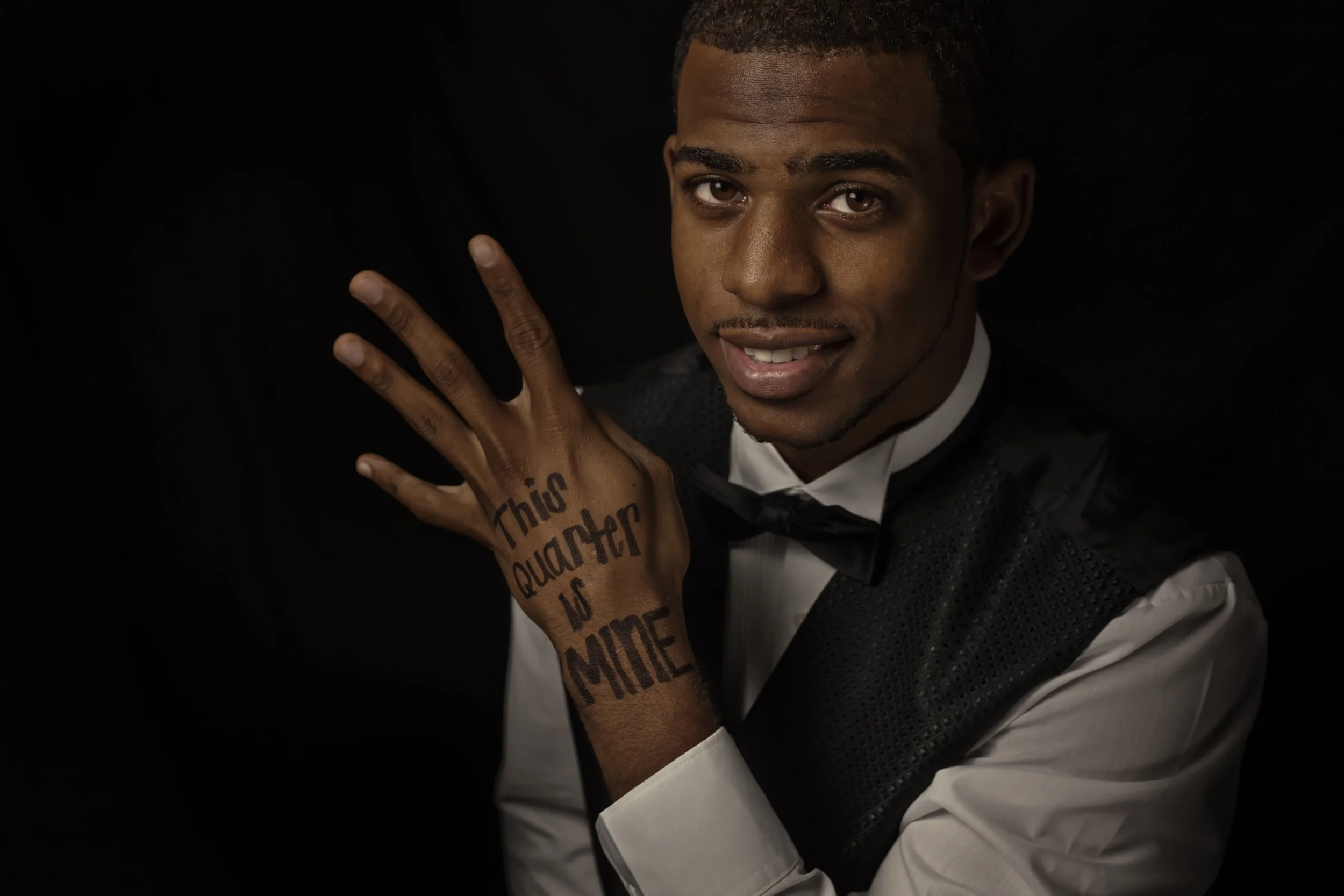
Fifteen years ago, in the wake of Hurricane Katrina, Robert Fogarty started asking people in New Orleans who were rebuilding their lives to write a message. In one sentence, they wrote their stories on their bodies, which Robert then photographed.
Over the years, he has continued his project: Dear World. Robert gives people around the globe a mechanism and the permission to express themselves and share their most powerful and vulnerable moments.
Now, he also takes his project to the stage, creating an interactive experience that brings people together, builds trust, and fosters belonging.
An incredible storyteller, we were honored to get his perspective for The EO Report and share some photographs from his project.
What’s one pivotal moment that most shaped the communicator you are today?
I think of a time where I made a judgment on a person based on the way they were speaking, and I got it totally wrong.
He was slurring his words, and I thought he was drunk. We were working an event together, and I remember thinking, “I can’t believe this guy’s drinking on the job.” I didn’t say it out loud, but I had already made the judgement in my head.
After the event, he came up to me and said, “I love your work. Would you take my photograph? One of my heroes is Steve Gleason, who has ALS. I have ALS.”

You lose your vocal cords when you have ALS, so your speech is impaired.
Man, I got really humbled.
That was a pivotal moment in my life. It was essentially a “don’t judge a book by its cover” moment, but more specifically, I learned to be very mindful that how someone delivers something can throw you in a way that is extremely biased or short sighted.
It certainly changed how I ingest information. I’m a lot slower to assume now, and a lot more aware of how much I might be missing.
Describe one project or situation where you were absolutely at your best. What made it work so well?
I had just finished speaking at an event where we got the best reviews we’ve had in years. And honestly, the difference came down to something pretty basic: I practiced.
My wife made me practice my speech out loud the night before, over and over and over again. And not casually. She stopped me constantly. She’d say, “Nope…That doesn’t make sense…Still sounds clumsy…Too much pause there.”
I hadn’t done that in a long time. I tech check, I sound check, I look at my notes, but I hadn’t really been putting in that kind of reps.
It made a massive difference.
I think a lot of communicators convince themselves they’ve got it down. You’ve done enough talks, enough meetings, enough presentations, that you start to rely on instinct. But every communicator still needs to show up to the proverbial gym. LeBron James doesn’t just walk out on the court at tip-off.
There are more people than we’d like to admit who have quietly stopped going to the gym but still expect to perform like they’re in peak condition.
For me, I was at my best because I was actually pushed to prepare like it mattered. And it was a good reminder that even when you’re experienced, you still need someone in your corner willing to say, “This isn’t as good as you think it is.”
What’s a mistake you made that turned into one of your best professional assets?
One of the biggest lessons I’ve learned is this: your time is other people’s money.
I once flew in the day of an event. It wasn’t a long flight, and it felt like a safe bet, but delays in the day started to stack up, and I ended up late to rehearsal.
That decision sent a production crew of 15 people into overtime. Afterward, the meeting planner told me, “Just so you know, you caused overtime for the entire team.” The event itself went fine, but that didn’t erase the impact.

That was a hugely costly decision, not just for me, but for everyone else involved. So now, I almost never fly in the day of anything. It’s just not worth the risk.
That experience also forced a mindset shift. You’ve got to be of service to the audience and to the people making the event happen, not in service to yourself. And sometimes that shows up in really small ways.
Now, when I land, the first thing I do is text the client directly to let them know I arrived safely. I used to let someone else handle that or skip it entirely. But those small touches matter. They reduce stress, build trust, and show respect for the people doing the work behind the scenes.
At the end of the day, you want to be the person people say is easy to work with, not just the one who performs well on stage.
If you could change one thing about the communications or events field over the next 10 years, what would it be?
A good event experience comes down to the preparation.
I would absolutely ban panel discussions where the panelists didn’t meet each other until right before the panel. I’d also ban panels with more than three people and a moderator. Too many panels spend 30 minutes just getting through introductions and then the panel’s basically over. You end up with something that feels scattered and surface-level.

The same goes for fireside chats where the moderator is clearly unprepared or just a fan of the speaker instead of facilitating a real conversation. I’ve also seen keynote speakers who couldn’t pass a quiz on what the company does or who’s in the audience.
After 15 years, you start to see the patterns. And the difference between a great experience and a mediocre one is almost always preparation and intentionality.
What’s one of your core communication philosophies?
A philosophy I come back to a lot is this: how do you stay genuinely curious about other people and build enough trust that they’re okay with you telling their story?
As communicators, we’re constantly borrowing from other people’s lives. We’re referencing them, quoting them, using their experiences to make a point. And I think that comes with a real responsibility to protect and defend them. You want to honor them.
It’s not just about getting the facts right. It’s also about what you’re adding to it with your own lessons and insights. Are you representing it in a way they would feel good about? Are you adding to it in a way they’d be proud of?
There’s a version of this you see all the time in politics. You see a politician saying, “I was just at Joe’s Diner, and Joe told me…” But the real question is: did Joe actually say that? And would Joe feel good about how that story is being used?
When I’m coaching storytellers, we talk about a kind of test. If you’re telling a story about someone, your uncle, a colleague, a client, would it pass their test? If they were sitting in the audience, would they feel honored by it?
If you’re invoking someone in your story, you should be able to stand behind how you’re representing them. I think it’s important to get that right.
Connect with Robert and subscribe to his daily newsletter: