What 11 Seconds and Dr. Pepper Can Teach Us About Listening
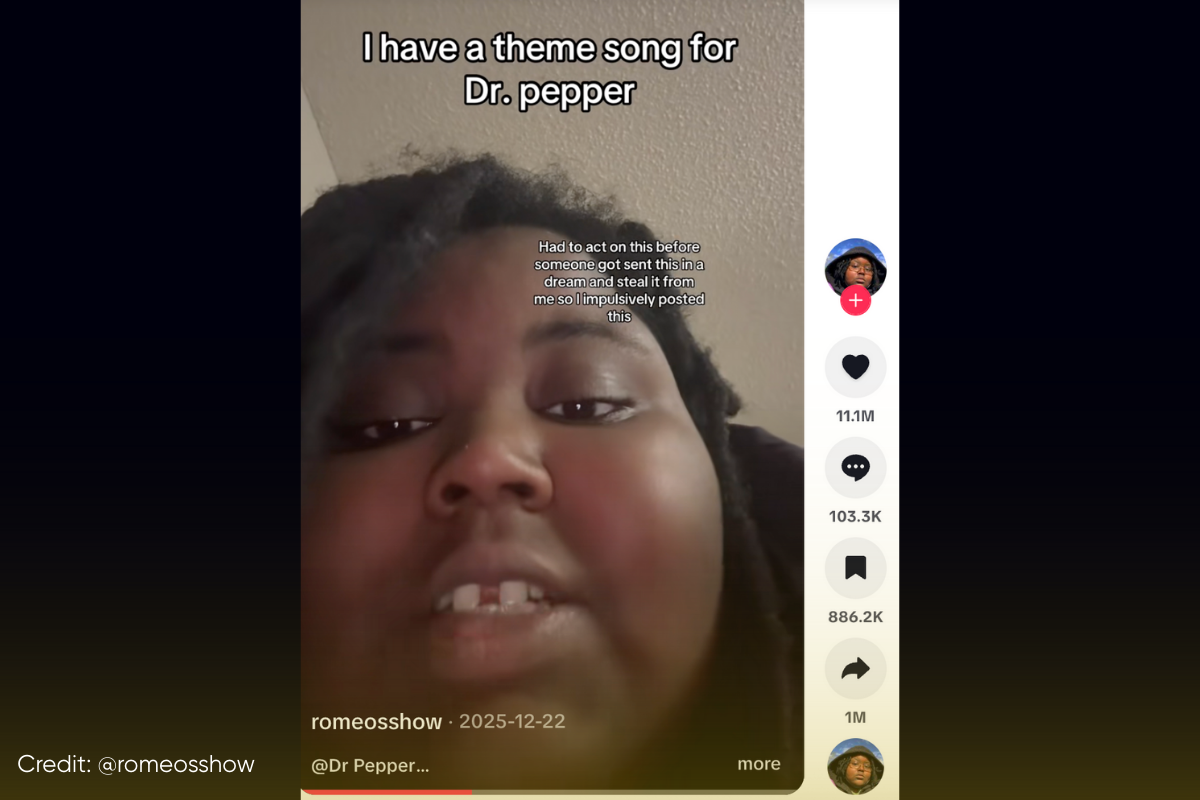
It all started when TikTok creator Romeo posted a very short clip. Eleven seconds, to be exact.
“I have a theme song for Dr Pepper, and it goes like this,” Romeo says before singing:
“Dr Pepper, baaabyyyy, it’s good and nice, do do do.”
That’s it. That’s the whole thing.
The internet did what the internet does. As of this writing, the clip has racked up more than 113.7 million views and 11.1 million likes. Commenters flooded the post, tagging Dr Pepper and urging the brand to pay attention. And Dr Pepper did.
Just over a month later, a Dr Pepper commercial began airing on television featuring Romeo’s jingle, original vocals included, with on-screen credit to the creator.
The brand didn’t just respond with a TikTok duet or a wink-and-nod comment. They went all in, broadcast TV and all. The YouTube version of the ad has already surpassed 2.6 million views.
All because Dr Pepper listened.
They listened to what their audience loved. They compensated a creator for their work (reportedly $2 million, though that has not been confirmed). And they took a viral moment by the horns instead of letting it pass by.
Now imagine the same number of impressions, but imagine Romeo’s commentary had been negative. Being tuned into the conversation is equally important for protecting your brand reputation and managing a crisis.
Good brands create great content. Great brands know that listening is just as important.
How to Improve Listening in Your Organization (Without a Massive Budget)
You don’t need a major budget, complicated tech stack, or a 20-person communications team to listen better. Here are a few practical ways organizations of any size can improve how they tune in.
1. Know what’s being said on social media
First step:
Regularly check what people are saying when they tag your organization. Search your brand name directly and see if conversations are happening without you realizing it.
Next level:
Invest in a social media management tool that includes social listening. These tools make it easier to track mentions, identify trends, and even monitor sentiment around your brand.
2. Know what’s being said online and in the media
First step:
Set up Google Alerts for your organization’s name, your leaders’ names, and key initiatives or programs.
Next level:
Use a media monitoring service that captures digital and print coverage and provides analytics on reach, frequency, and tone.
3. Invite your staff to be extra ears
First step:
A few times a year, such as at staff meetings, in internal newsletters, or via email, ask team members to send links when they see your organization mentioned online. Reinforce why this matters: it helps you correct misinformation, reinforce positive stories, and protect your reputation.
Next level:
Create a simple, formal way for staff to submit links or screenshots. Recognize employees who help surface important conversations.
At Clarity Channels Communications, we live by a simple rule: Don’t know it all. When someone sends you information, it’s always met with gratitude – never with “Yep, I already saw that.” If people feel like you don’t need them, they’ll stop helping. If people assume you probably already know it, they will shy away from engaging with you. And when it comes to listening, you can’t afford that. All ideas and all intel are welcome at all times.
Because sometimes, the next big opportunity doesn’t arrive as a polished pitch or a strategic plan. Sometimes, it shows up as an 11-second video, and all you have to do is hear it.
P.S. – Other brands have capitalized on Romeo’s viral jingle and have asked them to compose jingles for their own brands. Romeo, who uses they/them pronouns, has also now had paid partnerships with Hyundai and VitaCoco.