I Like It. What Is It?
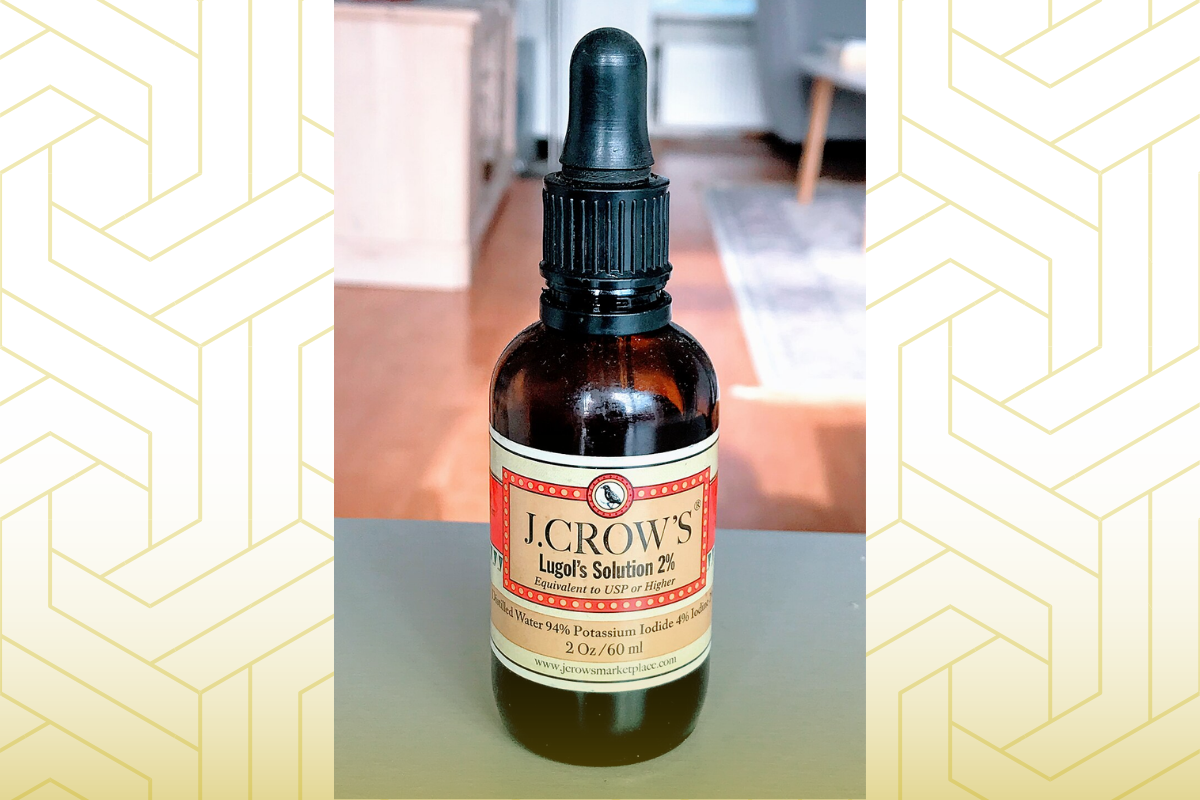
I love a good nutritional hack.
A few weeks ago, while wandering through my favorite news aggregator, the Drudge Report, I spotted an advertisement for iodine supplement. I haven’t seen that type of ad before.
It was an ad for J. Crow's Lugol's Solution.
The ad did exactly what it was supposed to do. It caught my attention. I clicked. And immediately, I was intrigued. It lured me in.
The black crow logo is interesting. The product name is memorable. The website did a nice job explaining where the iodine comes from and how it is made – “derived from mined crystals from 320 million year old natural brine deposits two miles beneath the earth's surface in Western USA (one of the few places in the world where such deposits exist).” They claim the product has been trusted since 1829, so there is clearly a story here.
But after spending several minutes exploring the website, I found myself asking a simple question:
What is it?
More specifically, why do I need it? What problem does it solve? What value does it create? Why should I care?
I kept looking. Surely there would be a page explaining the benefits. Maybe a founder's story. Research. A scientific explainer. Some context around why this company exists.
I found none of it.
The experience reminded me of a piece of artwork that sits on my bookshelf in my office.
Years ago, my UNO colleague Alyson Westby gave it to me during a team Secret Santa exchange. The piece was created by British graphic artist Anthony Burrill and featured a wonderfully honest phrase:
"I like it. What is it?"
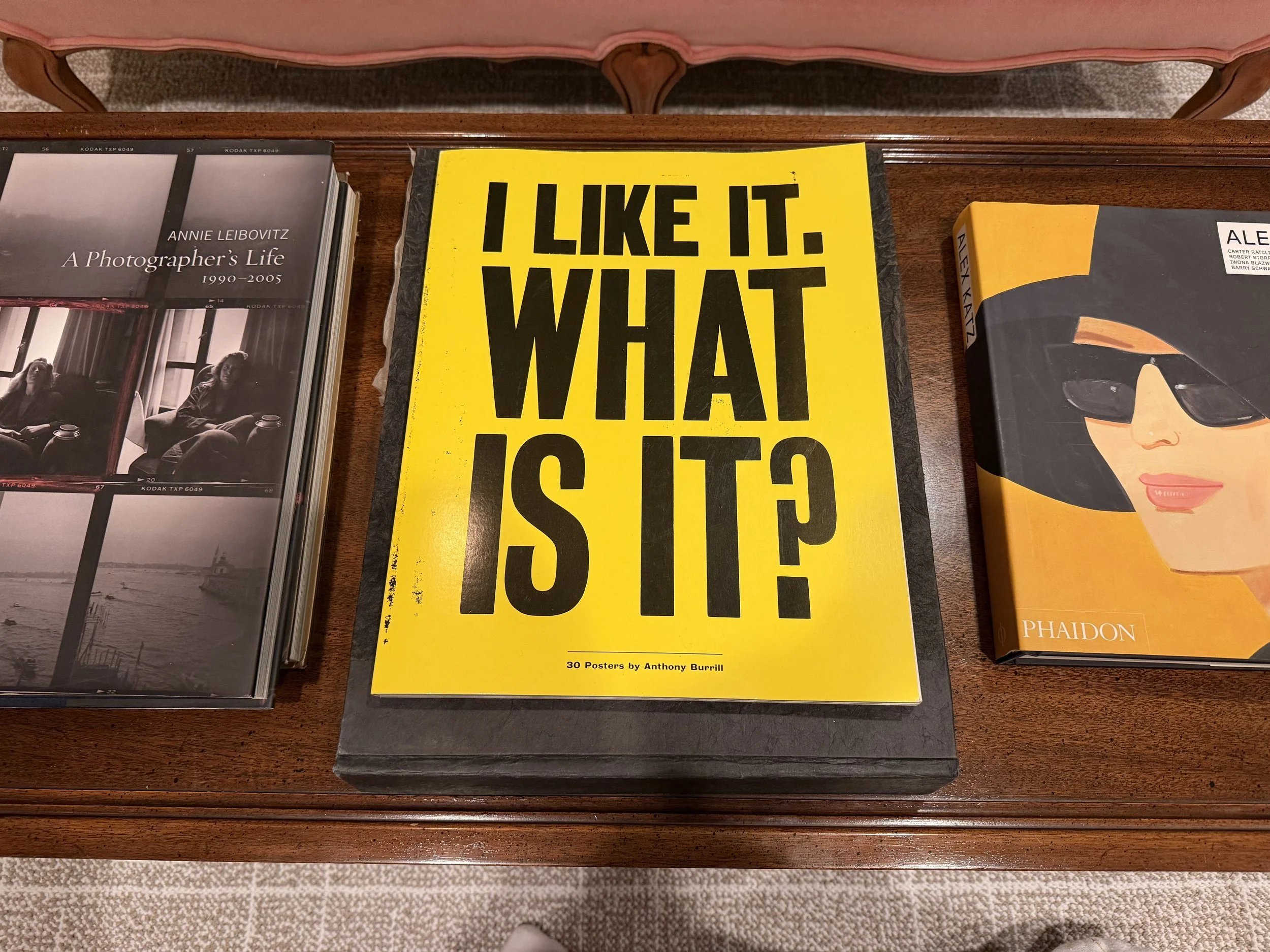
Burrill has said the phrase originated with his wife, who would often react positively to something before fully understanding it. He was fascinated by that instinctive response and turned it into one of his most recognizable works.
I've always loved the simplicity of the statement because it perfectly captures a moment communicators create all the time: People notice something. They're intrigued. They want to learn more.
And then we either provide the clarity that people are looking for, or we leave them searching for answers we should have provided in the first place.
As communicators, we spend enormous amounts of energy getting attention. We obsess over logos, names, taglines, websites, colors, videos, campaigns, social media strategies, and launch plans. Attention matters, but attention is only the beginning.
The moment someone becomes interested, their brain immediately starts asking questions. What is this? Why does it exist? Why should I care? Who made it? Can I trust it? Will it help me? Will it help my community? How can you prove it?
The organizations that answer those questions win. The organizations that don't leave visitors doing investigative journalism on their own websites, if they stay that long.
One of the most common mistakes I see in strategic communications is assuming the audience already knows what we know. We know the origin story. (Is it written down?) We know the mission. (Is it up to date and widely shared?) We know the science. (Is an approachable version shared?) We know the value proposition. (Is it clearly stated and shared?)
We know why we get excited about our product, service, cause, or institution. Our audiences don't unless we tell them.
They arrive to our channels knowing almost nothing.
That's why communicators must relentlessly answer the basic question behind every question:
Why does this matter?
A website should do more than exist as a digital brochure. It should explain. A brand should do more than have a name. It should have meaning. A product should do more than exist. It should have a clear value proposition. A story should do more than create curiosity. It should satisfy it or inspire.
The good news is that if someone says, "I like it," you've already cleared an important hurdle.
The harder part is making sure they never have to ask, "What is it?"
Because if they leave your website, your social channels, your presentation, or your organization still wondering what you do and why you matter, communication didn't happen. Visibility happened. Those are not the same thing.
In July, take a fresh look at your website, your organization's About page. Pretend you've never heard of your organization before. Would a first-time visitor quickly understand what you do, why you exist, and why they should care?
If not, your audience is probably asking the same question Anthony Burrill’s wife asked about his art, and I was asking about the iodine product:
"I like it. What is it?"