Meet the Messenger: Karisa Malchow

Karisa Malchow is the Vice President, Marketing of LOVB Nebraska.
Volleyball is one of the fastest-growing sports in the country, and League One Volleyball (LOVB, pronounced “love”), now in its second professional season, is helping lead that momentum.
Growth at this level doesn’t happen by accident. It requires thoughtful strategy and strong communications leadership. Karisa is at the center of those efforts, shaping how LOVB Nebraska connects with athletes, fans, and communities. We spoke with her about her experience in the communications industry and what she sees on the horizon for professionals in our field.
What’s one pivotal moment that most shaped the communicator you are today?
I still identify deeply as an athlete because that was such an integral part of who I was and who I still am. I’m a volleyball player by trade. I earned a full athletic scholarship to play Division I volleyball at Creighton University, and the lessons from that court shape so much of how I communicate today.
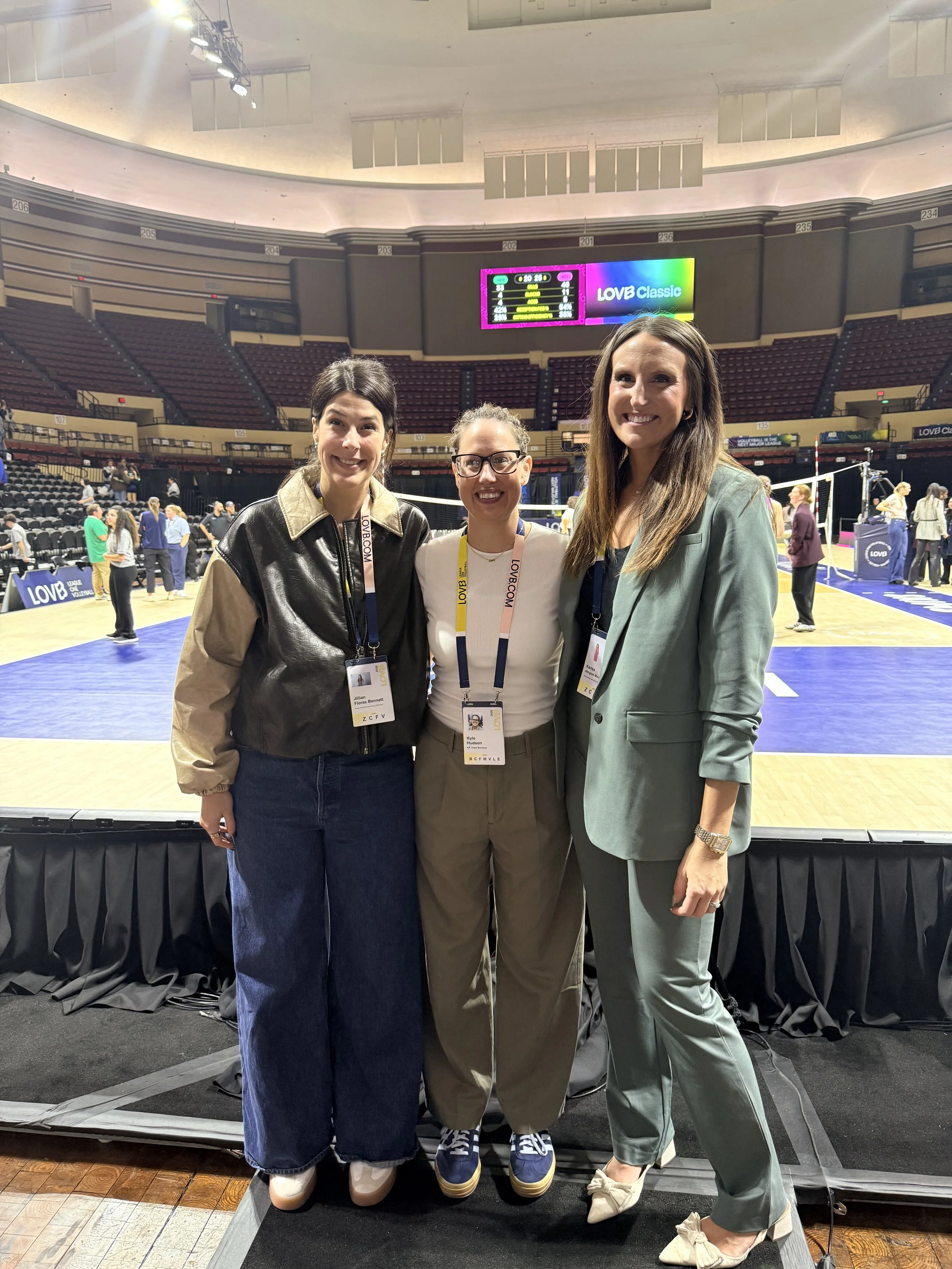
LOVB Manager of Partnerships and Sponsorships Jillian Flores Bennett (left), Vice President of Team Services Kyle Hudson (center), and Malchow (right) at the Kansas City Classic.
In volleyball, one of the most costly mistakes you can make is failing to “call the ball.” There are six players on the court. The ball doesn’t always go where you expect it. Sometimes you have to step out of position to make the play. Sometimes it lands in the gray area between you and a teammate. And the easiest way for an opponent to score is to capitalize on hesitation or silence.
You only control your side of the net. That starts with ownership, accountability, and clear communication.
Before a match, we planned who runs which play, who takes which seam in serve receive, who hits which set. But once the whistle blows, you have to adjust in real time. The planning creates structure. The communication in the moment creates trust.
What shaped me as a communicator was learning that clarity before the event enables flexibility during it. You can only pivot and win if expectations are clear and everyone is willing to call the ball. The combination of preparation and courage in the moment builds trust, accountability, and ultimately performance.
Describe one project or situation where you were absolutely at your best. What made it work so well?
To be completely honest, I thrive in chaos. I don’t seek it out. But when it arrives, I know I’m on and it’s ‘go’ time.
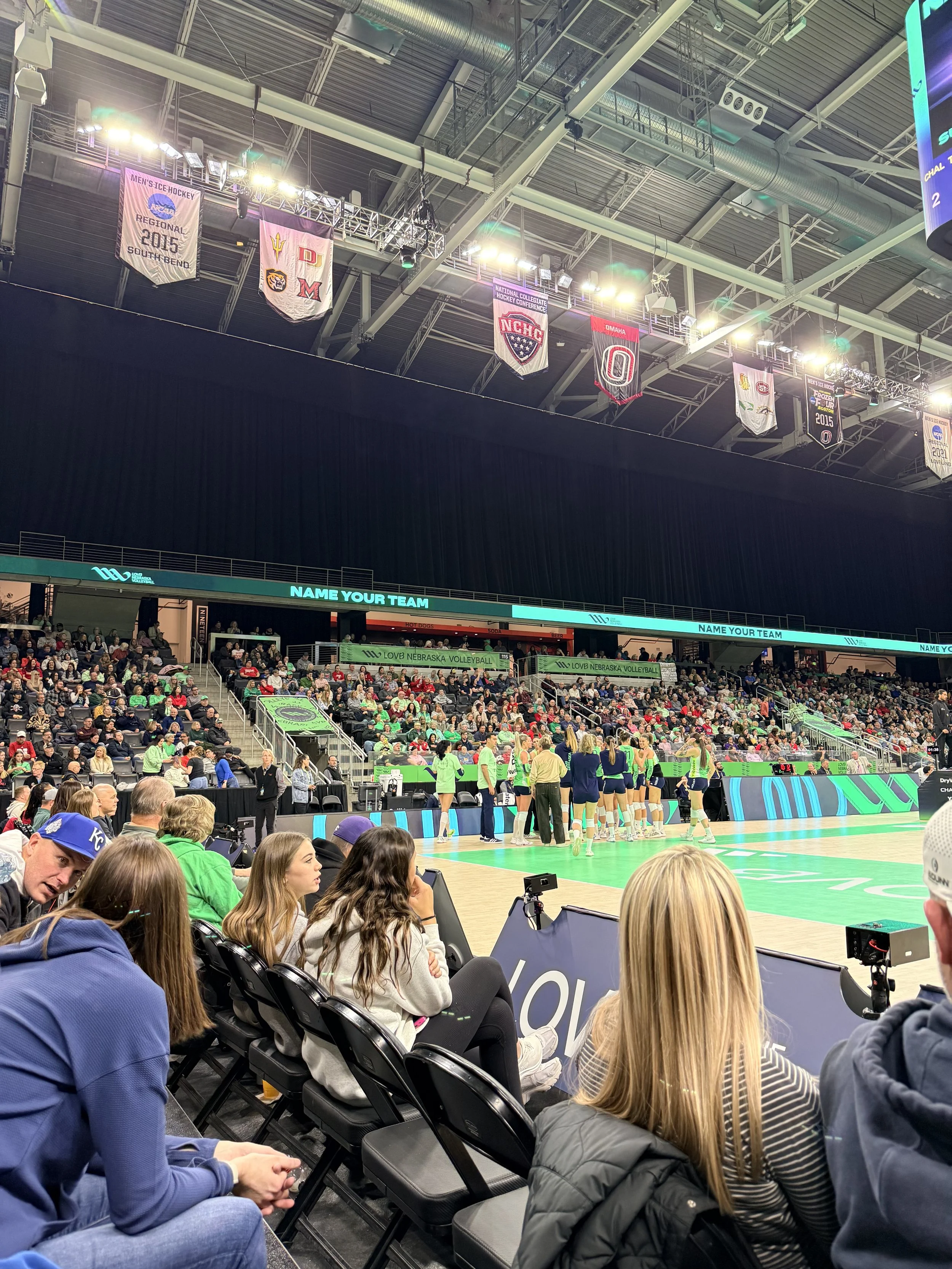
LOVB Nebraska match versus LOVB Madison.
In high-pressure situations, whether it’s a campaign pivot, a stakeholder conflict, or an operational breakdown, I’m able to quickly assess what’s actually happening beneath the surface. What are the facts? What are the emotions? What does each stakeholder need to feel heard? What decision must be made right now?
At my best, I can zoom out and zoom in simultaneously. I see the broader strategic implications while building a clear next step. I don’t overreact, and I don’t freeze.
What makes those moments work is a combination of pattern recognition and emotional intelligence. Chaos rarely appears without warning signs. When you’ve built enough experience, you can read the room (and the numbers) quickly. Then it becomes about calm direction: Here’s what matters. Here’s what we’re doing next. Here’s how we move forward.
Communication in leadership isn’t about controlling every variable. It’s about providing clarity when others feel uncertainty.
What’s a mistake you made that turned into one of your best professional assets?
Earlier in my career, I led a campaign that was strategically strong and creatively aligned, but I underestimated the importance of stakeholder sequencing.

Fan wait to enter a LOVB Nebraska match.
We had clarity on the vision. The positioning was thoughtful. The client was bought in. The creative team executed exactly what we set out to build.
What I didn’t fully account for was the ripple effect. Marketing doesn’t land in a vacuum. Even when your primary audience is defined, there are adjacent stakeholders (internal teams, community groups, partners) who experience the message differently.
When the campaign launched, the feedback wasn’t about the quality of the work. It was about context. Some key groups hadn’t been brought into the conversation early enough, and that created friction we could have anticipated.
That moment recalibrated how I lead. Since then, I’ve become far more intentional about mapping influence before activation: Who needs alignment? Who needs context? Where are the perception pressure points?
I still move decisively. But now I build broader awareness into the process. Marketing is as much about managing ecosystems as it is about crafting messages.
That experience expanded my lens. It made me more durable. And it ultimately strengthened the campaigns that followed.
Marketing isn’t just about resonance. It’s about responsibility.
If you could change one thing about our field in the next ten years, what would it be and why?
Marketing evolves at a relentless pace. Channels change. Algorithms shift. Audiences grow up. Entire platforms emerge and disappear in a matter of years.
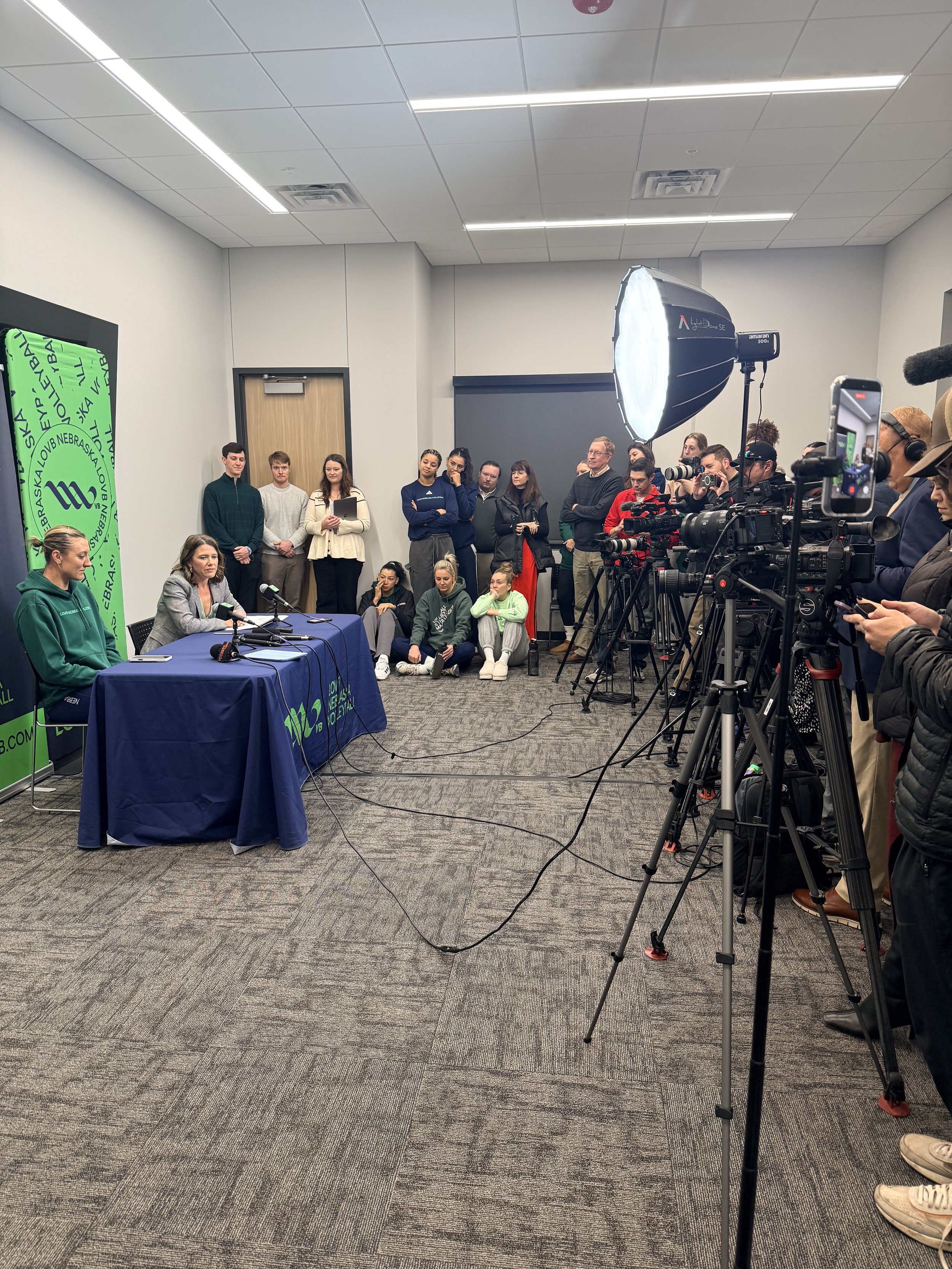
LOVB Nebraska press conference for teammate and Olympian Jordan Larson's retirement announcement.
If I could influence one thing in the next decade, it would be this: never lose sight of the person.
We use terms like segmentation, personalization, audience targeting, automation. But behind every dashboard metric is a human being. With beliefs, biases, aspirations and emotions.
Marketing exists to add value.
Yes, value can show up on a balance sheet in the form of a stronger brand equity, increased revenue, investor confidence. But the most sustainable marketing creates value for the person first. It respects their time. It understands their motivations. It contributes something meaningful.
Technology will continue to evolve. AI will accelerate everything. But the brands and communicators who win will be the ones who understand human behavior at its core.
We’re not marketing to audiences. We’re communicating with people.
What’s one hard truth about this profession you think is important to acknowledge?
A hard truth about marketing is this: attention is earned, not owed.
It doesn’t matter how much time you spent building the strategy or how proud you are of the creative. The market doesn’t reward effort. It responds to relevance.
Marketing leaders have to detach ego from outcome. Sometimes the idea you love won’t resonate. Sometimes the data contradicts your instinct. Sometimes the audience simply isn’t ready.
The discipline is in listening.
Great marketing isn’t about proving you’re right. It’s about learning fast enough to adjust. And increasingly, it’s about balancing performance with brand. Short-term conversions matter. But long-term equity compounds.
Nominate a communications pro to be our next Message Maker.
Don’t miss an update: sign up to receive The EO Report directly to your inbox every Monday.