The New Job of PR
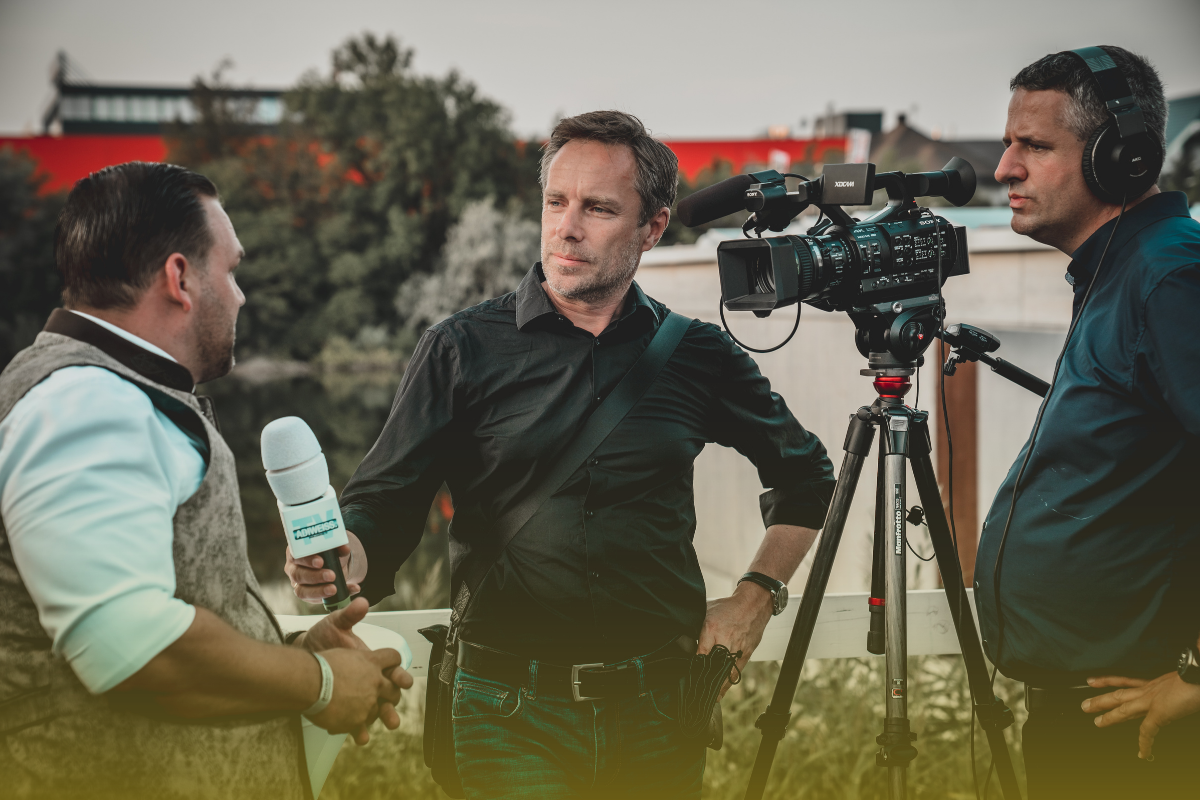
Last week, we talked about new media and the changing landscape of traditional media. This week, we’re focusing on just how much that traditional media landscape has changed, and what you can do to evolve with it.
There are fewer newsrooms, fewer reporters, and less airtime for the news. And that matters for communicators because the people we’re pitching have less time and fewer resources to turn our stories into stories of their own.
In case you missed last week’s editions, here’s some of the data:
Since 2005, 40% of local newspapers have vanished, according to The 2025 State of Local News Report. One in four Americans, or about 88 million people, now live in an area with zero or only one local newspaper.
The amount of news airtime on radio and television is also declining. In 2025, the Radio Television Digital News Association reported that the median amount of daily weekday local TV news fell by a full hour, to 5.5 hours.
And according to Civic Blueprints, Bureau of Labor Statistics data shows that newspapers lost more than 60% of their newsroom employees between 2008 and 2025. In 2025 alone, the newspaper industry shed roughly 5,800 jobs.
Those shifts are hard for PR people. But they’re even harder for reporters. They have more ground to cover than ever, with fewer resources to do it. That means our role as PR people has changed, too.
The old formula was pretty straightforward: Pitch a great story. Introduce the reporter to the right interviewees if they ask. Provide relevant data and information. Then watch for the story.
Now, if you want to improve your chances of snagging a small share of a reporter’s stretched time and attention, your goal should be to make your story as easy to cover as possible. Think of yourself as a production assistant of sorts.
Here are a few ways to make your story more coverable.
Think through your interviewees, brief them, and have them at the ready.
Put your journalist hat on. Who would a reporter actually want to interview?
And think beyond your CEO or the staff members you want in front of the microphone.
If your announcement will have a ripple effect on families, find a parent who can speak to the issue. If you have an education-related announcement, line up a teacher. If you’re announcing a new program, find someone who will actually use or benefit from it.
Brief your interviewees well, and let them know they may or may not be called on for an interview. The goal is to have the right people ready when a reporter needs them.
Give reporters what they need, even if they can’t attend.
Don’t assume that a reporter who can’t make it to your event won’t cover it.
Along with your press release, consider providing a readout script, photos with suggested captions, and several useful b-roll shots captured on your phone.
Think about what a reporter would have gathered if they had been there, and provide as much of it as you reasonably can.
Note that it’s a balancing act. You’re not doing their job for them. You’re removing some of the barriers that might keep them from doing the story.
Make the research easy to find.
Pull together a simple media folder with your press release, relevant data, one-pagers, reports, and other supporting materials. Have it ready to hand to reporters at an event, and this is very important, quickly share digitally afterward. (In some cases, you may want to share the information digitally before the event, depending on your goals.)
Don’t make them hunt. If there’s a particularly useful piece of data, call it out. The easier it is to find, understand, and use your information, the more likely it is to make its way into the story.
Identify the barriers and find a way around them.
Figure out what is keeping a news organization from covering your story, then ask yourself whether you can help solve the problem.
We saw this firsthand while supporting a press conference for a client. A news station had told us they were coming, but at the last minute, the reporter was pulled away to cover breaking news involving a bomb threat.
We could have chalked it up to bad luck and moved on. Instead, we offered to bring the organization’s executive director to the station for an interview. They accepted. We got the interview, and the story still made it to air that evening.
The job of the PR person used to be getting the media there and then watching the magic unfold, but that job is changing. We still need to pitch good stories. We still need to build relationships with reporters. And, more than ever, we still need to respect the role of journalism.
Our job is now to also remove the friction that keeps a story from being produced.